The sensory toy market has grown considerably in recent years, and within that expanding landscape, few products have carved out a niche quite as effectively as the Needoh Color Changing Cube. Equal parts tactile tool and novelty toy, this compact, dough-filled cube offers a genuinely distinctive sensory experience: squeeze it, stretch it, and watch the surface shift between two distinct colors right before your eyes. It is not a gimmick built on spectacle alone. The color change is a direct, satisfying result of physical interaction — the kind of hands-on engagement that occupational therapists, parents, teachers, and fidget enthusiasts have come to recognize as genuinely useful.
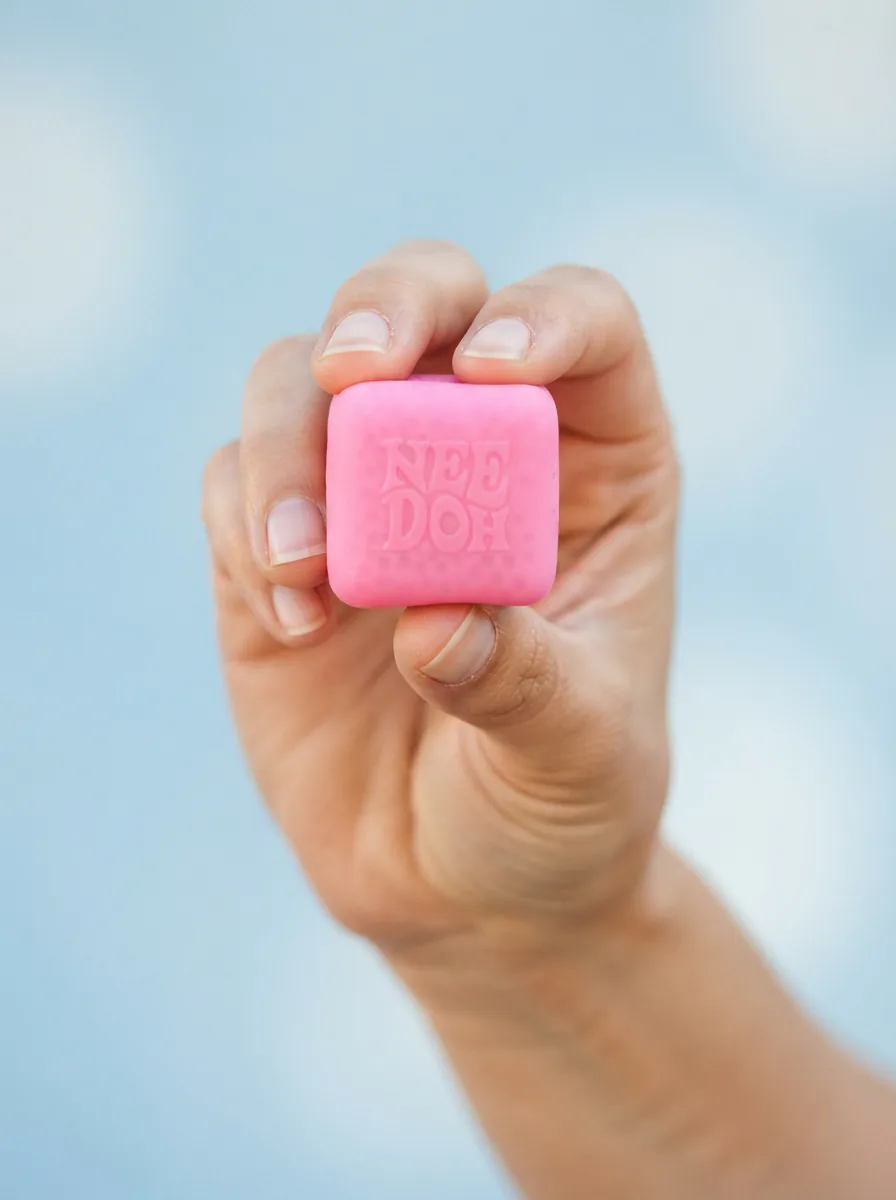
Manufactured by Schylling, a company with a long history in the toy industry, the Needoh Color Changing Cube measures approximately 2.25 inches in its resting state and is designed for children ages 3 and up, though its appeal reliably extends well beyond childhood. The toy carries several important safety certifications: it is hypoallergenic and non-toxic, and is manufactured without BPA, phthalates, or latex — a trifecta of assurances that matters greatly to parents and caregivers making purchasing decisions in a landscape increasingly defined by health-conscious consumption. What you hold in your hand is not just an entertaining object. It is a thoughtfully constructed, sensory-supportive tool that happens to be extraordinarily fun.
Top 5 Needoh Color Change Cube Products to Buy Right Now
Before exploring the full depth of what makes this toy exceptional, here is a curated overview of the five most popular retail offerings of the Needoh Color Change Cube currently available. Whether you are buying for a child, a classroom, or a sensory corner at home, these options represent the widest range of purchasing contexts.
1. Needoh Color Change Cube — Sensory Tool House

Brief Description: Sensory Tool House presents the Needoh Color Change Cube as a certified sensory support tool, stocking it alongside professional-grade occupational and physical therapy equipment. Available in three distinct colors — Blue, Yellow, and Pink — this listing emphasizes the toy’s documented benefits for fine motor development, mood regulation, and brain stem stimulation. It is particularly well-suited for therapeutic settings or households where sensory processing differences are a central consideration.
Ratings: New listing; reviews pending.
Price Range: $5.99 USD
2. Needoh Color Change Cube Assorted — Ace Hardware

Brief Description: For buyers seeking the most accessible and affordable entry point, Ace Hardware’s listing offers the Needoh Color Change Cube at the lowest price among major retailers. Sold as an assorted item with a random color assignment, this listing is ideal for impulse purchases or single-unit gifting. Ace Hardware’s wide store network and 30-day free return policy make this a low-risk, high-convenience option for first-time buyers exploring the Needoh brand.
Ratings: Not yet rated.
Price Range: $3.99 USD
3. Needoh Color Change Cube — Kinoko Kids

Brief Description: Kinoko Kids — a specialty toy boutique — offers the Needoh Color Change Cube with an editorial focus on its color-shifting mechanics. Their listing clearly outlines the three available color transition combinations: pink to purple, yellow to orange, and blue to pink. A two-per-customer limit is enforced to ensure broad availability, and online orders are fulfilled with a randomly assigned color. This listing suits buyers who appreciate a curated retail experience with strong emphasis on product detail and community.
Ratings: Not yet rated for this variant.
Price Range: $7.00 USD
4. Schylling Color Change Cube NeeDoh Squishy Fidget Toy — Target

Brief Description: Target’s listing presents the Needoh Color Change Cube under its full official product name — the Schylling Color Change Cube NeeDoh Squishy Fidget Toy Multicolor 1ct — and categorizes it appropriately within the fidget toys segment. As a new arrival sold and shipped through a marketplace partner, this listing benefits from Target’s wide reach and buyer trust infrastructure, making it a familiar and convenient purchasing channel for households already shopping within the Target ecosystem.
Ratings: New listing; 0 reviews — first buyers eligible to rate.
Price Range: Consistent with the broader retail range of $3.99–$7.00 USD.
5. Needoh Color Change Cube 2.25″ — Runamuck Workshop

Brief Description: Runamuck Workshop’s listing is notable for providing the specific dimensional measurement of the product — 2.25 inches — offering buyers a precise understanding of the cube’s scale before purchase. This boutique workshop stocks the cube within its Sensory Play collection alongside other Needoh products and describes it as a “totally groovy tactile experience.” The listing has experienced sold-out status, which itself reflects the product’s demand at the independent retail level.
Ratings: Not yet rated.
Price Range: $6.00 USD
What Makes the Needoh Color Change Cube Different
The fidget and sensory toy market is not short on options. Spinner rings, pop-it pads, stretchy mesh balls, and silicone tubes all compete for the same shelf space and the same consumer attention. What separates the Needoh Color Change Cube from most of its category peers is a combination of factors that, taken together, produce a product that feels genuinely considered rather than formulaic.
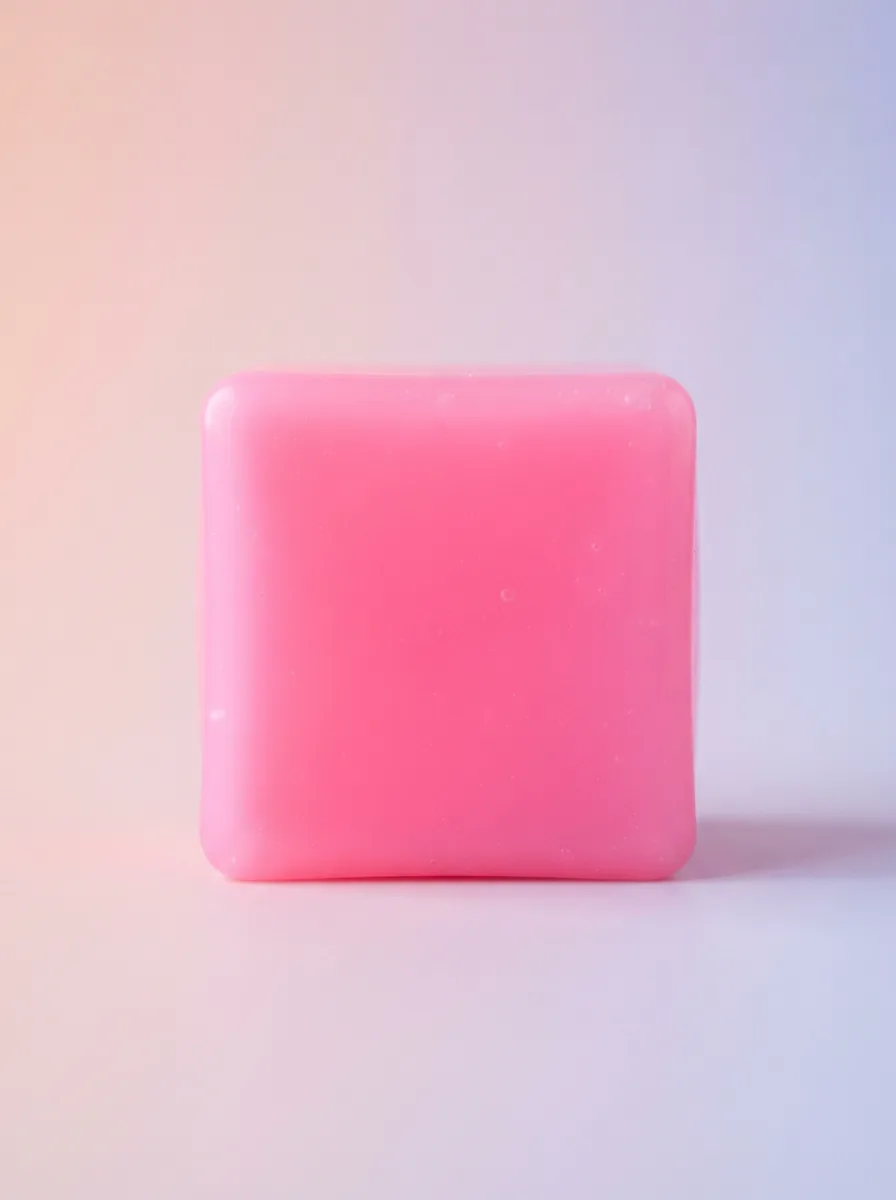
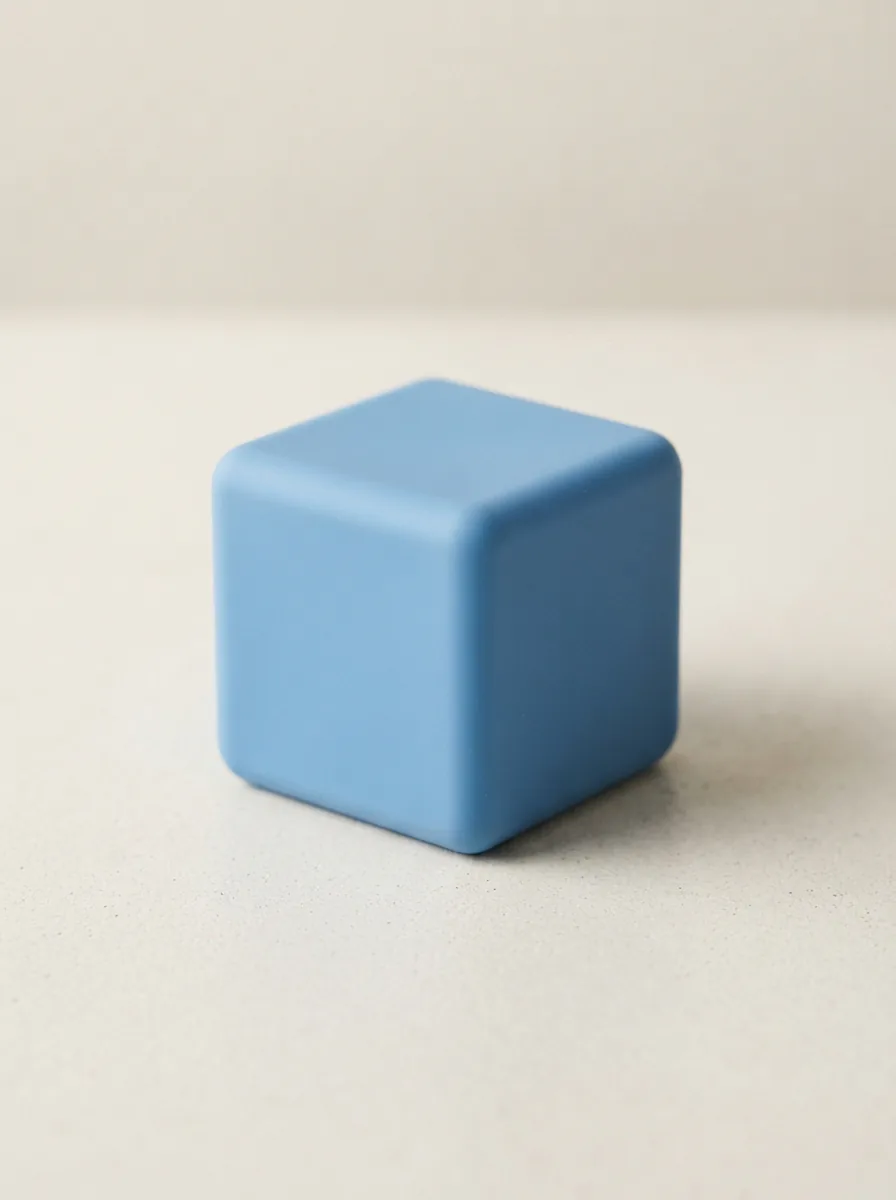
The first differentiator is the color-change mechanism itself. This is not a surface coating that fades or a paint job that chips. The color change is the product of the material’s response to direct physical manipulation. Squeeze or stretch the cube and its exterior transitions from one color to another — blue shifts to pink, yellow shifts to orange, pink shifts to purple. Release, and it returns to its original color as the cube reassumes its square shape. This is a direct cause-and-effect relationship that reinforces motor-to-visual feedback loops, a principle that underpins much of what occupational therapists refer to when they discuss the value of sensory play for developing nervous systems.
The second differentiator is the material itself. Needoh’s signature doughy filling provides a resistance and texture that is neither too firm nor too yielding. It is a quality difficult to describe in purely utilitarian terms — it simply feels right in the hand. The exterior is smooth but not slippery, responsive without being fragile. The cube returns reliably to its shape after being stretched or compressed, which means it maintains long-term structural integrity through repeated, daily use. This matters in a toy context where wear and degradation often undercut the initial appeal of a product within weeks of purchase.
The third differentiator is the form factor. Cubes are not the default shape for fidget toys. Spheres dominate the sensory toy market because they roll easily, feel balanced, and carry no angular geometry. The decision to produce a cube introduces intentional structural friction: the flat faces, defined edges, and square silhouette give users something consistent to hold and manipulate, which appeals to users who find the unpredictability of a sphere’s movement distracting rather than calming. The cube’s form is deliberate, and for many users — particularly those on the autism spectrum or those with sensory processing differences — that deliberateness is precisely what makes it effective.
The Sensory Benefits: A Closer Look
Sensory tool retailers are not stocking the Needoh Color Change Cube as a novelty item. They are positioning it as a legitimate sensory support tool, and the benefits associated with this product are worth examining in full depth.
Fine motor skill development is perhaps the most widely cited benefit. Squeezing, pinching, and stretching a small, resistance-filled object engages the small muscles of the hand and fingers in ways that support the development of precision control — the kind required for writing, drawing, and other exacting manual tasks. For younger children still developing this control, or for adults in rehabilitation contexts, resistance-based manipulation is both therapeutically useful and experientially accessible. There is no instruction required, no learning curve to navigate. The hands know instinctively what to do.
Mood and focus improvement is the second documented benefit. This connects to a well-established principle in sensory integration theory: proprioceptive and tactile input — information delivered to the brain via pressure, resistance, and texture — can have a calming and organizing effect on the nervous system. When a child or adult feels overwhelmed, unfocused, or anxious, engaging in repetitive tactile behavior such as squeezing a resistance object provides the kind of input that helps regulate the brain’s arousal state. The Needoh Color Change Cube delivers this input in a form that is compact, silent, and socially unobtrusive — ideal for classroom, office, or clinical use.
Hand-eye coordination benefits from the visual feedback loop created by the color-change mechanism. Because the color shift is a direct and visible response to physical input, the user’s visual system and motor system are engaged simultaneously. The brain learns to associate specific movements with specific visual outcomes, a process that supports broader coordination development in children and provides a satisfying sense of competence and predictability across age groups.
Brain stem stimulation through movement is a more technical benefit, referring to the role of proprioceptive input in activating the reticular activating system — a network within the brain stem responsible for regulating attention, arousal, and consciousness. Toys and tools that provide consistent, repetitive physical input are used therapeutically to help users achieve and maintain appropriate levels of alertness and focus, particularly in classroom or therapy settings where sustained attention is a core requirement.
Safety and Material Standards
Among the most important specifications for any toy marketed to children is its material safety profile, and here the Needoh Color Change Cube delivers without qualification. The product is hypoallergenic, meaning it is manufactured to minimize the risk of allergic reactions from skin contact — critically relevant for users who handle it repeatedly throughout the day. It is non-toxic, meaning the materials have been evaluated and deemed safe for incidental skin contact. It is manufactured free from BPA (bisphenol A), a synthetic compound previously common in plastics and now widely avoided due to concerns about hormonal disruption. It is also free from phthalates, a class of chemical plasticizers associated with developmental health concerns, and free from latex, which is a critical specification for users with latex sensitivities or allergies — a population that spans both children and adults.
These standards collectively make the Needoh Color Change Cube appropriate for use in school environments, therapy clinics, and households with children who have known sensitivities. The product does carry a standard choking hazard warning for children under 3 years, consistent with its small-part classification, and this age guidance should be observed.
Color Variants and the Randomization Factor
The Needoh Color Change Cube is available in three distinct color combinations, each representing a specific and consistent transition:
Blue to Pink, Yellow to Orange, and Pink to Purple.
These transitions are not random. Each unit is manufactured with a specific base color and a specific reveal color built into the material. When purchasing from retailers that offer individual color selection — such as Sensory Tool House, which lists Blue, Yellow, and Pink as separate options — buyers can choose the precise transition they want. When purchasing from retailers that sell assorted or random units — such as Ace Hardware or Kinoko Kids — the specific color combination is determined by available inventory at the time of order fulfillment.
For many buyers, the element of randomization adds gift-giving appeal — the unboxing becomes part of the experience. For buyers with specific color preferences, or who are purchasing for users with sensory sensitivities that make color selection meaningful, retailers offering deliberate color selection are the recommended point of purchase.
Who Is This Product For?
The Needoh Color Change Cube has demonstrated consistent, broad appeal across several distinct user categories, each of which engages with the product for different but overlapping reasons.
Children ages 3 to 8 represent the core demographic. For this group, the color change delivers genuine wonder — the kind of simple, immediate visual magic that young children experience as deeply satisfying. The tactile engagement supports developmental objectives that align closely with early childhood educational frameworks, and the toy is durable enough to withstand the kind of use young children reliably subject their possessions to.
Children and adults with sensory processing differences, including those on the autism spectrum and those with ADHD, represent a secondary but significant demographic. For this group, the toy functions as a discreet self-regulation tool — something to engage the hands and provide proprioceptive input during periods of overstimulation, understimulation, or transitions between demanding cognitive tasks.
Classroom and therapeutic environments represent a third purchasing context. Teachers, occupational therapists, and behavioral support specialists have increasingly incorporated sensory tools into their standard professional toolkit, and a toy that is small, quiet, safe, and visually engaging is well-suited to desk-side or therapy-room integration without disruption to surrounding activities.
Adults seeking everyday stress relief represent a fourth and growing category. The stress relief market has long recognized that adults benefit from tactile fidget tools just as children do, and the Needoh Color Change Cube’s premium sensory quality — combined with its visual novelty and compact footprint — makes it a more compelling choice than a conventional foam stress ball for many working adults.
Pricing and Where to Buy
Across the six major retailers examined for this article, the Needoh Color Change Cube carries a price range of $3.99 to $7.00 USD for a single unit. This positions it firmly in the impulse-purchase price bracket — accessible enough that it requires no meaningful financial consideration for most consumers, yet priced above the threshold of perceived disposability. At $3.99 from Ace Hardware, it is among the most affordable sensory tools available anywhere in the market. At $7.00 from specialty boutiques, it remains exceptional value given its material quality, documented functional benefits, and structural longevity.
Buyers focused on color selection should prioritize retailers such as Sensory Tool House that list individual color variants. Buyers focused on price accessibility should consider Ace Hardware’s assorted listing. Buyers who want the most complete product presentation — including color transition details and brand context — will find Kinoko Kids’ listing particularly informative. For buyers who prefer major marketplace infrastructure, Target’s listing offers the broadest fulfillment network. Independent toy shop enthusiasts should bookmark Runamuck Workshop for when stock is replenished.
Final Assessment
The Needoh Color Change Cube is a product that succeeds precisely because it does not try to do too many things at once. It is a compact sensory tool with a clear mechanism, a well-defined benefit set, strong safety credentials, and broad retail availability. Its color-change feature is not decorative — it is the functional expression of the toy’s core sensory loop, making it an educational instrument disguised as a fidget toy, or vice versa, depending entirely on who is holding it and why.
For parents looking for a thoughtful, low-cost sensory gift, for therapists seeking desk-ready regulation tools, for teachers building sensory stations in their classrooms, and for adults who simply want something satisfying and purposeful to hold during the day, the Needoh Color Change Cube delivers consistently and without pretension. It is, in the most practical sense of the phrase, a well-made thing — and in a crowded, noisy, often-disappointing toy market, that remains a genuinely meaningful distinction.