The intersection of tactile technology and occupational wellness has never been more rigorously explored than in the development of stress-relief sensory tools for both children and adults. In an era where attention disorders, chronic workplace stress, and sensory processing challenges are increasingly recognized within educational and clinical frameworks, the demand for precision-engineered fidget and sensory products has scaled dramatically. Enter the Needoh Blue Nice Cube—a deceptively simple yet scientifically grounded tool designed to deliver measurable tactile feedback, support focus and attentional regulation, and function as a portable, durable companion for users across a wide spectrum of ages and professional environments. Unlike conventional stress balls that conform to well-worn spherical paradigms, the Nice Cube represents a deliberate architectural departure: a cube-shaped sensory device that challenges both the tactile imagination and the fidgeting habit with its distinctive, satisfying square profile. Its translucent blue finish, non-toxic composition, and extraordinary shape-memory properties position it not merely as a novelty toy but as a functional instrument at the frontier of tactile wellness technology.
Featured Products: The Needoh Nice Cube Lineup
Before diving into the comprehensive technical and educational analysis of the Needoh Blue Nice Cube, it is worth examining the broader product ecosystem in which this tool operates. Below are five of the most popular Needoh Nice Cube offerings currently available across major retail channels.
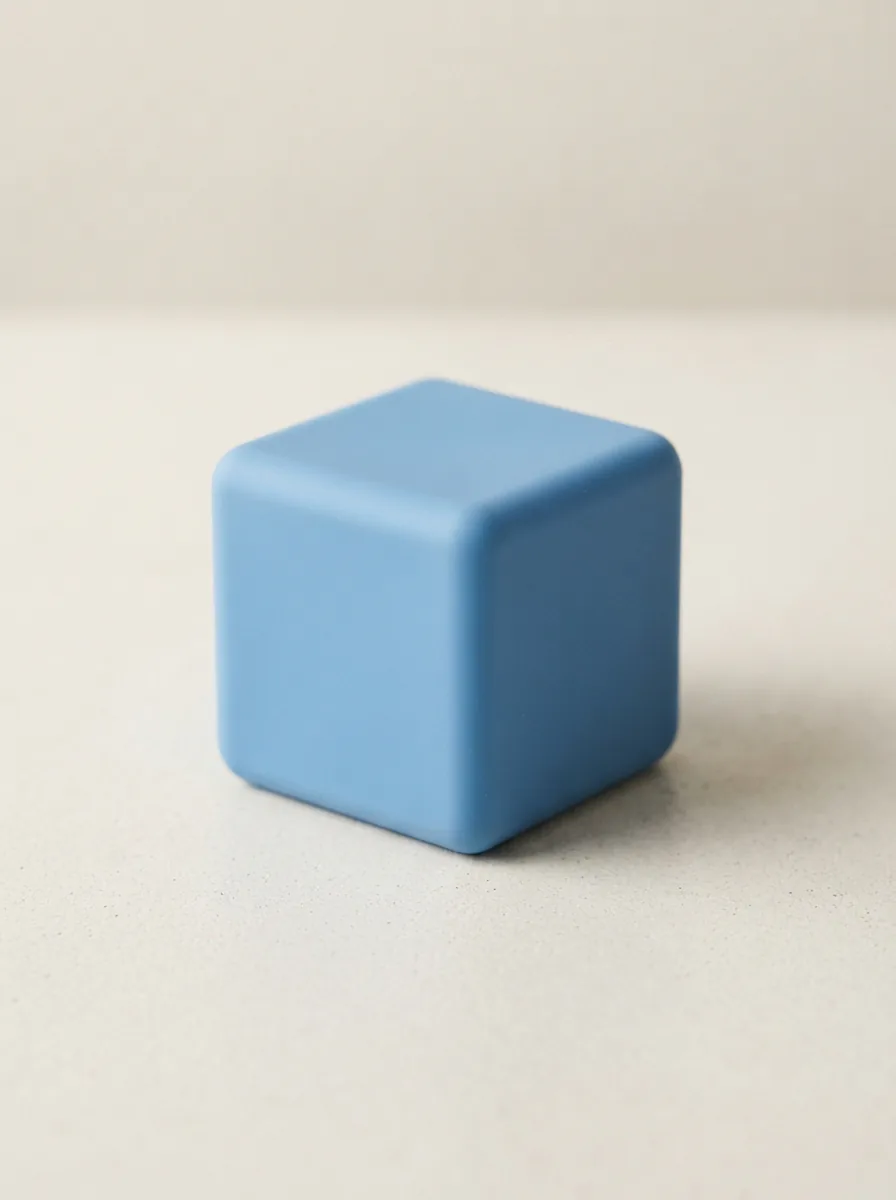
1. Needoh Blue Nice Cube (Single Unit)
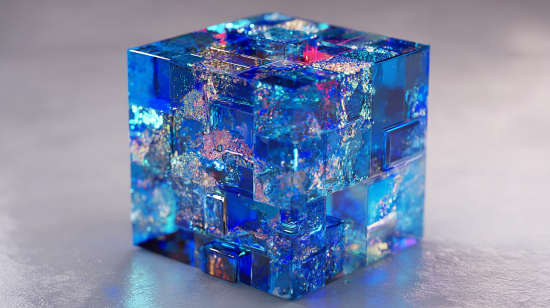
The flagship translucent blue single-unit Nice Cube measures approximately 2.375 × 2.375 × 2.375 inches and is crafted from non-toxic, dough-like material that returns to its precise cube shape after every squeeze. Ideal for individual use, on-the-go fidgeting, and classroom environments, this is the definitive entry point into the Needoh Nice Cube product family. It is available across multiple specialty and mass-market retailers, though it frequently sells out due to sustained demand, underscoring its status as a high-velocity consumer item.
Rating: ⭐ 4.4 / 5 (730+ ratings)
Price Range: $7.99 – $19.00
2. Needoh Blue Nice Cube 3-Pack (MPN: NCBND)
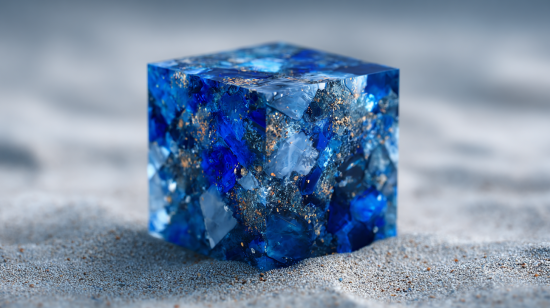
The triple-unit bundle offers a cost-efficient solution for educators, occupational therapists, and households requiring multiple units. With tiered bulk pricing available at checkout, this pack provides meaningful savings over purchasing individual units. The consistent translucent blue coloration across all three units makes this configuration ideal for coordinated sensory kits, therapeutic supply sets, or classroom procurement, where uniformity of tool presentation supports structured program delivery.
Rating: ⭐ 99% Positive Seller Feedback (203 verified ratings)
Price Range: $37.43 – $38.99 per pack (bulk discount tiers available)
3. Needoh Purple Nice Cube (Single Unit)

Sharing the same precision-engineered, non-toxic dough composition as the Blue variant, the Purple Nice Cube offers an alternative translucent colorway suited to users with specific color preferences. Notably in high demand on major retail platforms, with pricing reflecting its trending scarcity. Recommended for ages 3 and up and equally suitable for adult occupational use. Its visual profile resonates particularly well in creative and wellness-focused institutional environments.
Rating: ⭐ 4.4 / 5 (730+ combined ratings)
Price Range: $11.00 – $41.99
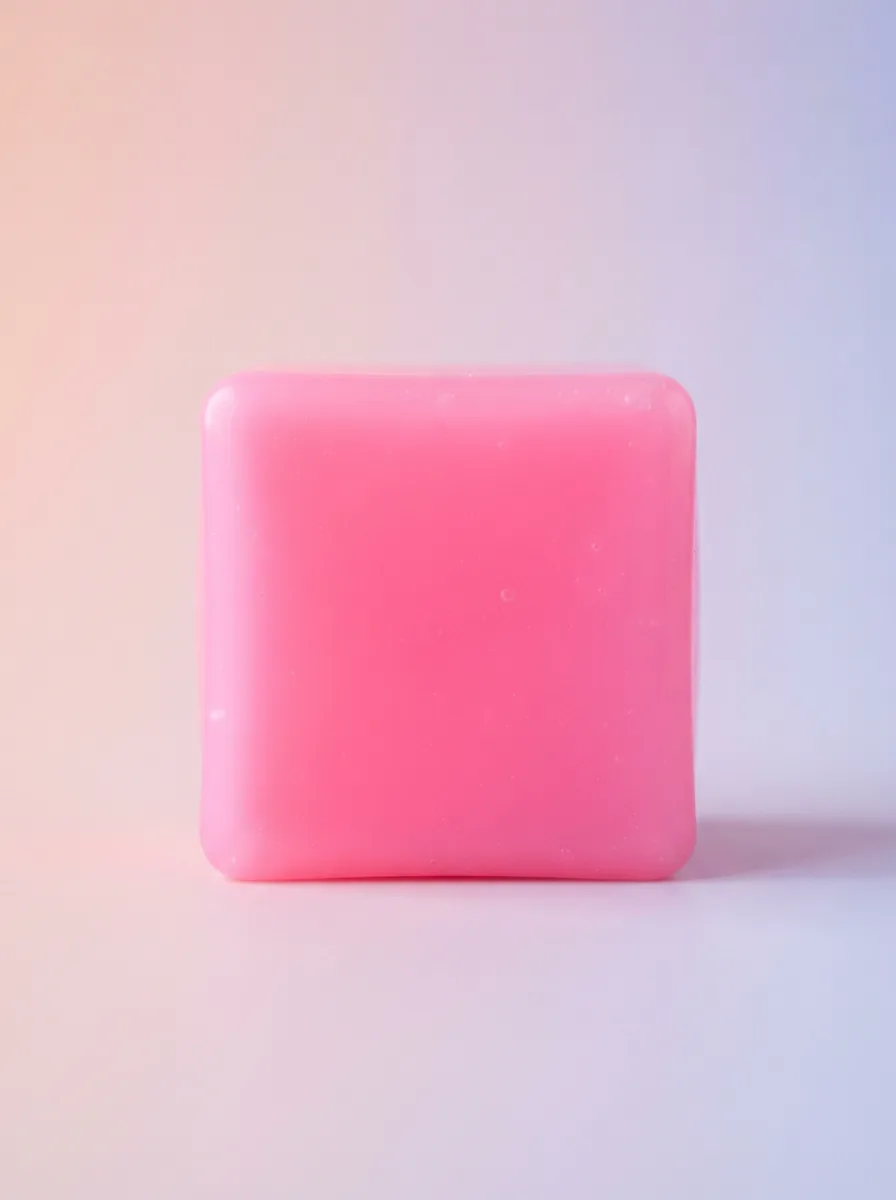
4. Needoh Pink Nice Cube (Single Unit)

The translucent pink variant completes the core Nice Cube color trilogy alongside Blue and Purple. Equally popular among gift-givers seeking personalized sensory products for birthdays, stocking fillers, and therapeutic tool kits. Made from the same certified non-toxic, squeezable dough material and engineered to return consistently to its original cube form after each use. Widely purchased as part of a complete three-color set by collectors, educators, and developmental specialists alike.
Rating: ⭐ 4.4 / 5 (730+ combined ratings)
Price Range: $11.00 – $39.99
5. Needoh Nice Cube (Assorted / Color May Vary, Single Unit)

For buyers who prioritize availability over specific colorway selection, the assorted Nice Cube is frequently the most accessible and economically priced option on the market. Boasting the highest review volume of any Nice Cube listing, this option demonstrates the broadest cross-demographic appeal in the product line. With over 4,351 customer ratings and a robust 4.5-star average, it is the statistically highest-rated configuration in the Nice Cube family and serves as a powerful indicator of the product’s overwhelming consumer satisfaction at scale.
Rating: ⭐ 4.5 / 5 (4,351+ ratings)
Price Range: $5.97 – $11.00
The Engineering Philosophy Behind the Blue Nice Cube
To understand why the Needoh Blue Nice Cube has achieved such remarkable traction across retail markets, institutional procurement lists, and occupational therapy toolkits, one must examine the engineering philosophy that underpins its design. Schylling, the established toy and novelty manufacturer behind the Needoh product family, developed the Nice Cube as a material science and behavioral design convergence—a product that is as much a study in polymer engineering as it is in applied psychology.
The core material used in the Nice Cube is a high-grade, non-toxic dough compound that behaves viscoelastically under applied mechanical load. What this means functionally is that the cube resists compression—offering a firmer tactile resistance than conventional stress balls—while simultaneously absorbing and distributing mechanical energy in a manner that feels deeply satisfying to the user. When compressive force is released, the material’s elastic memory causes it to return precisely and consistently to its original cube form. This is not an accidental byproduct of manufacturing; it is the result of deliberate compound formulation, ensuring that the structural integrity of the cube is maintained across thousands of compression cycles without degradation in performance or aesthetic quality.
The translucent blue coloration of the Blue Nice Cube adds a further dimension of sensory engagement that distinguishes it meaningfully from opaque competitors. Unlike conventional stress toys, the translucency creates a dynamic visual effect as the material deforms under pressure, allowing users to observe internal color shifts and subtle light refraction patterns in real time. For children and adults with sensory processing sensitivities, this visual feedback can serve as an additional regulatory input, compounding the tactile benefits with visual proprioceptive engagement. The resulting ice-cube aesthetic is both commercially compelling and functionally meaningful—a rare and precise alignment in consumer product design that reflects sophisticated engineering intent.
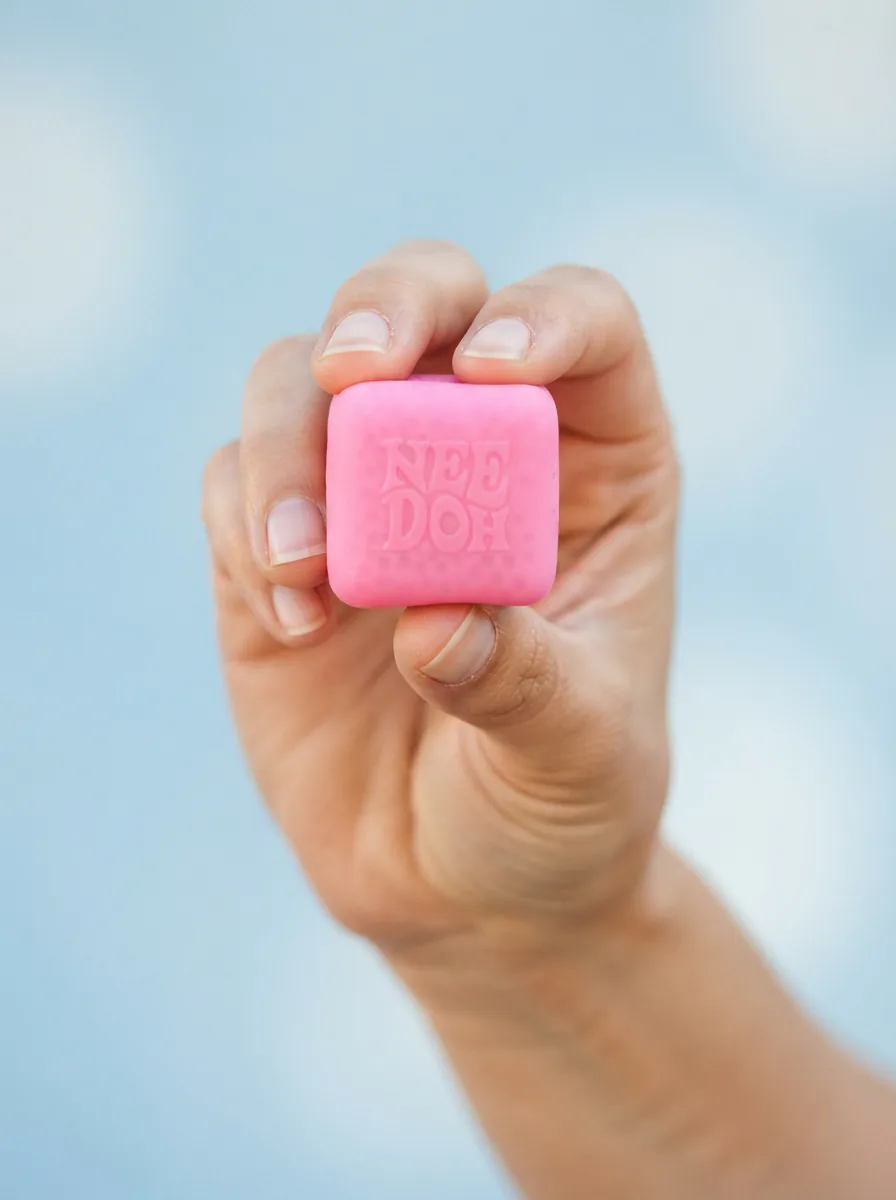
The dimensions of the Blue Nice Cube—approximately 2.375 × 2.375 × 2.375 inches—represent a calculated ergonomic decision rather than an arbitrary form factor choice. This size is specifically optimized for small-to-medium hand sizes, making it ideal for children aged three and above while remaining proportionally appropriate for adult palms in professional settings. The square geometry of the cube engages different pressure points on the palm and finger pads compared to a spherical fidget tool, distributing tactile stimulation more broadly across the hand’s proprioceptive receptor network and potentially improving the efficiency of its stress-reduction and attentional-enhancement effects. Every dimension of this product has been engineered with purpose.
Educational and Occupational Applications
The Needoh Blue Nice Cube’s relevance extends well beyond the toy aisle. In educational and clinical settings, the product operates as a functional intervention instrument aligned with multiple evidence-based frameworks in occupational therapy, behavioral psychology, and special education methodology.
Within the context of sensory integration therapy—an occupational therapy framework developed to address sensory processing disorders—tactile fidget tools like the Nice Cube function as proprioceptive inputs that help regulate the nervous system’s arousal state. For students diagnosed with Attention Deficit Hyperactivity Disorder (ADHD), Autism Spectrum Disorder (ASD), or other sensory processing conditions, maintaining a regulated arousal state is a prerequisite for productive engagement in academic tasks. The firm, resistive squish of the Nice Cube provides deep pressure input to the joints and muscles of the hand, which is clinically documented to have a calming and organizing effect on the central nervous system, creating physiological conditions more conducive to learning.
Classroom integration of the Nice Cube has been observed to support improvements in on-task behavior and attentional focus among students who benefit from supplementary sensory input during instructional periods. A critical feature in this educational context is the device’s silent operation. Unlike clicking pens, tapping behaviors, or auditory fidget tools that may disrupt the learning environment, the Nice Cube enables covert sensory regulation without drawing peer attention or creating acoustic interference. This makes it a highly viable instrument for inclusive classroom settings where sensory accommodations must be balanced against the social and acoustic dynamics of the broader learning environment.
In corporate and professional settings, the Nice Cube has also found meaningful adoption as a desk-based stress management instrument. The compounding pressures of knowledge work—sustained cognitive engagement, deadline management, complex interpersonal dynamics—generate cumulative physiological stress that, left unaddressed, contributes to occupational burnout, cognitive fatigue, and diminished decision-making performance. Regular use of resistive tactile tools during low-cognitive-load periods, such as conference calls, presentation attendance, or reflective thinking sessions, can activate the parasympathetic nervous system, reduce cortisol output, and promote a state of alert calm highly conducive to elevated cognitive performance. The Nice Cube’s compact, desk-appropriate dimensions make it ideally suited to this context.
Material Integrity and Safety Standards
One of the most technically significant attributes of the Needoh Blue Nice Cube is its non-toxic, certified-safe material composition. Schylling’s Needoh dough compound is formulated without phthalates, BPA, latex, or other chemical constituents commonly flagged in pediatric and consumer safety assessments. This certification of material safety is not merely a regulatory compliance checkbox—it reflects a manufacturer commitment to the precautionary principle in product design, ensuring that young users who incidentally bring the toy into contact with skin or mucous membranes are not exposed to harmful chemical residues over extended use periods.
The material also demonstrates notable thermal behavior that materially enhances its sensory appeal and therapeutic utility. The compound maintains a surface temperature slightly below ambient room temperature, creating a characteristic cool-to-the-touch sensation during initial handling. This thermally passive property is a deliberate design feature that contributes a soothing, anxiety-relieving quality to the initial tactile encounter—a property particularly valued in clinical anxiety-reduction applications. As verified consumer reviews across multiple retail channels confirm, the toy “gets softer the more you play with it,” indicating that repeated mechanical engagement gradually conditions the material toward a lower-resistance state, while a period of thermal equilibration returns it toward its default firmness. This dynamic material behavior provides a subtly evolving sensory experience that sustains user engagement over time.
Durability analysis drawn from consumer review aggregation suggests that the structural integrity of the Nice Cube is exceptional under normal and even aggressive use conditions. Multiple verified purchasers across retail platforms note difficulty in damaging the product even under sustained forceful compression, directly supporting Schylling’s claim that the material consistently returns to its original shape. One Walmart reviewer noted that the cube is “very sturdy” and that “it would be difficult to pop the thing, even if you tried”—a consumer-validated confirmation of the engineering specifications. This durability profile is particularly relevant in institutional procurement contexts, where product longevity directly impacts cost-per-use economics and reduces the frequency and cost burden of replacement cycles.
Market Positioning and Retail Availability
The Needoh Blue Nice Cube occupies a strategically distinctive position in the broader sensory toy market. Its combination of brand recognition, material quality, unique cube form factor, and clinical applicability sets it apart meaningfully from the proliferating landscape of generic gel-filled stress balls and mass-produced fidget devices. Understanding its retail footprint across diverse distribution channels helps consumers and institutional procurement officers identify optimal purchasing pathways aligned with their specific requirements.
At the individual consumer level, specialty retailers such as Wish Gifts in Denver, Colorado, and Blue Seven in Oklahoma City, Oklahoma, carry the Blue Nice Cube as part of carefully curated gift and toy assortments. These boutique retail channels cater to customers seeking premium, considered purchases, often in gift-giving and lifestyle product contexts. Pricing in these environments reflects the product’s boutique positioning, with the Blue Nice Cube retailing at $11.00 (Wish Gifts) and $7.99 (Blue Seven) when in stock—though both channels report frequent stockouts, a commercial indicator of sustained consumer demand consistently exceeding available inventory.
At the mass-market level, Walmart’s platform provides substantially broader access to the product, with pricing for the Blue variant observed at $19.00. The significant volume of consumer reviews on this platform—over 730 ratings with a 4.4-star average for the Blue variant specifically, and over 4,351 ratings for the assorted color listing—constitutes a statistically robust validation dataset for consumer satisfaction at scale. Walmart’s fulfillment infrastructure also enables expedited delivery timelines that specialty retail channels cannot uniformly match, making it a preferred channel for time-sensitive procurement.
For institutional purchasers or high-frequency consumers seeking volume procurement, the eBay marketplace offers a 3-pack configuration (MPN: NCBND) at $38.99 per unit, with a tiered discount structure activating at multi-unit purchases. Buying four or more packs reduces the per-pack cost to $37.43, representing a meaningful unit economics improvement for organizations building sensory tool inventories. Seller metrics for this listing indicate strong operational reliability, with a 99% positive feedback rating across verified transactions—a credibility signal of importance to institutional buyers who require predictable fulfillment performance.
Competitive Landscape Analysis
To fully appreciate the value proposition of the Needoh Blue Nice Cube, it is analytically instructive to situate it within the competitive landscape of sensory fidget tools. The market for stress-relief and sensory engagement products has expanded dramatically over the past decade, driven by growing institutional and consumer awareness of mental health, occupational wellness, and neurodiverse learning needs. This expansion has attracted an extensive proliferation of competing products, ranging from low-cost generic gel cubes to premium weighted fidget devices targeting the therapeutic market.
Within this competitive field, the Nice Cube differentiates on three primary technical axes: material propriety (non-toxic, certified-safe dough compound with exceptional durability and shape-memory performance), structural innovation (cube form factor offering distinct ergonomic and sensory differentiation from spherical alternatives), and brand heritage (Schylling’s long-established track record in quality-focused consumer toy manufacturing). Generic competitors, including standard gel-filled stress cubes and TPR-based shapes, typically sacrifice one or more of these differentiating attributes in order to achieve lower production cost targets—delivering either less distinctive material properties, inconsistent shape-return performance, or unverified safety certifications that introduce procurement risk.
The Nice Cube’s price-to-performance ratio also merits careful analytical consideration. At entry-level retail price points between $5.97 and $11.00 at mainstream retail channels, the product delivers a tactile and sensory experience that substantially exceeds what consumers typically encounter at comparable price tiers. The few competing products that match or meaningfully exceed its sensory performance generally do so at price points well above the Nice Cube’s accessible range, establishing the Blue Nice Cube as a high-efficiency value proposition for both individual and institutional buyers who require clinical-grade sensory tool performance without premium-tier pricing.
User Experience: Synthesizing the Consumer Evidence Base
Aggregated consumer review data across retail platforms provides a nuanced and analytically rich portrait of the real-world user experience with the Needoh Blue Nice Cube. Several consistent themes emerge from systematic analysis of verified purchase reviews that directly corroborate the technical performance claims outlined above.
First, there is near-universal praise for the product’s tactile uniqueness. Reviewers consistently describe the Nice Cube as unlike any previous stress ball or fidget tool they have encountered, with specific emphasis on the cube’s firm yet yielding resistance and the deeply satisfying nature of its consistent shape-return behavior. This response pattern validates the material engineering decision to target a firmer, more resistive squish profile than standard Needoh products—a deliberate design choice that clearly resonates at the consumer experience level.
Second, cross-generational appeal is frequently and spontaneously noted across reviews. Parents purchasing the Nice Cube for children report becoming personally engaged with the product themselves, while adult purchasers note that younger household members are equally drawn to it. This multi-user dynamic materially enhances the product’s household and institutional value proposition, effectively increasing the number of active end-users per purchased unit and improving cost-per-user economics.
Third, the thermal sensation feature—the cool-to-the-touch quality of the material—is referenced repeatedly across review cohorts as a standout attribute contributing directly to the product’s calming and anxiety-relieving functional performance. This is a proprietary material characteristic that generic competitors rarely replicate with equivalent fidelity, and its consistent acknowledgment in consumer reviews validates it as a genuine and meaningful differentiator in the user experience.
Strategic Recommendations for Institutional Procurement
For organizations considering the Needoh Blue Nice Cube as part of a structured procurement strategy—whether for therapeutic supply inventories, educational sensory tool libraries, corporate wellness programs, or retail resale operations—several strategic observations merit consideration by procurement decision-makers.
Volume buyers should strongly consider the eBay 3-pack listing (MPN: NCBND) for its compelling cost efficiency and tiered discount architecture. At four or more packs purchased, the per-pack price descends to $37.43, yielding a per-cube cost that is competitive with single-unit mass-market pricing while providing the logistical advantage of consolidated bulk shipment and reduced per-order fulfillment overhead.
Organizations building comprehensive sensory tool inventories would benefit from procuring across the full three-color range (Blue, Purple, and Pink), as individual color preferences meaningfully influence product adoption among diverse user populations. Color-differentiated procurement also enables structured allocation by program area, user cohort, or therapeutic application category, creating organizational clarity in tool distribution and tracking.
Finally, procurement officers must account for the product’s demonstrated stock volatility when constructing acquisition timelines. Multiple retail channels report frequent and recurring stockout periods across all colorways, and the product’s sustained viral popularity across both social and institutional channels indicates that availability windows can be unpredictable. Forward-looking procurement planning with appropriate buffer inventory levels is strongly advisable for organizations that depend on continuous or uninterrupted supply.
Conclusion: A Technical Benchmark in Sensory Wellness Innovation
The Needoh Blue Nice Cube is far more than a stress toy. It is a precisely engineered, clinically relevant, and educationally purposeful instrument that represents the current technical benchmark in portable sensory tool design. Its viscoelastic material properties, cube-form ergonomics, translucent ice-cube aesthetic, certified non-toxic composition, and consistent shape-return performance collectively define a product that dramatically outperforms its price tier and delivers substantive, documented value to users ranging from three-year-olds engaged in sensory integration therapy to professionals managing sustained cognitive load in enterprise environments.
As the market for sensory wellness tools continues to evolve in alignment with deepening institutional and consumer understanding of neurodiverse needs, occupational health frameworks, and evidence-based wellness interventions, products like the Needoh Blue Nice Cube will occupy an increasingly central position in therapeutic, educational, and professional tool ecosystems. Its current market trajectory—characterized by strong consumer validation data, multi-channel retail traction, institutional adoption interest, and persistent demand exceeding supply—positions it not merely as a popular consumer toy, but as a foundational reference product in the emerging applied science of tactile wellness technology.
For educators, occupational therapists, corporate wellness program managers, and discerning individual consumers alike, the Needoh Blue Nice Cube represents a technically sound, empirically validated, and practically indispensable investment in the infrastructure of sensory health and human performance optimization.